Transgender Support
Groups: A History
By Sharon Rose
Once upon a time, there was a
support group in the suburbs outside our nation’s capitol. It The group met
in hotel rooms at first, and later moved to a church. It advertised in a newspaper. But it had rules to protect the identities of
its members, and so it carefully screened new members with an interview before
revealing the secret meeting location.
It was the early 1980s, and many of the members worked at the Pentagon,
in the defense industry, or in various branches of the U.S. Government. The meeting place was a safe place for those
who were just beginning to discover their transgender identity and also for
those who did not want to go to more public spaces.
 |
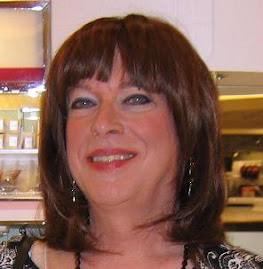
| The author, Sharon Rose |
For over 30
years it continued to function. It held monthly meetings. It put out a newsletter. The group brought in guest speakers to help
with various aspects of maintaining an alternate gender presentation (clothing,
wigs, makeup, nail care, etc.), or members presented programs of their own.
Each December they had a holiday gala at a local hotel with dinner and live
entertainment. And a few members performed outreach, speaking with students at
local universities or with religious institutions about what it means to be
transgender. A small cadre of members performed key tasks and served on the
board of directors.
Members of
the group traveled far and wide to attend meetings. Close friendships were
formed. But times began to change. The growth of the Internet and the rise of
social media meant that much information was now readily available by
computer. And Trans people could make
connections online, and knew there were others out there like them. And society was changing too. The rising social acceptance of gays and
lesbians gave transgender people hope that they too could be accepted. More and more transgender people were going
out in public. Those who were
comfortable doing so no longer needed to meet in private. The group shrank in size as members left the
group to join other groups or go out in public on their own.
Other
groups have been formed on Meetup.com and other social networking sites, and
Trans people are connected on Facebook and other platforms as never before.
They hold events in bars and restaurants, and those who are comfortable go
anywhere they want to. The possibilities
to socialize are limitless.
The
questions I have are twofold. First, are traditional support groups a thing of
the past? Do Trans people need a
structured organization with a one-size-fits all approach to provide
information and provide a safe space for those starting on their Trans
journey? Or can they find most of the
information they need online, and simply contact one of the newer social groups
when they are ready to go out in public?
I suspect there may be some people who need help getting from point A to
point B. What are your thoughts?
Second, what
about providing outreach? There is still
much that Trans people can do to educate the general public. Do we still need
it, and how can we do it?
Like any
small group, a Trans organization can only prosper if a core group of people
are willing to work to get things done, and if others come forward to replace
them when they leave or need a break.
But I believe that those of us who have come before need to pay it
forward and help those who are just beginning to explore their trans identity.
Ultimately,
the organization is just a framework. We
can all connect on an individual level to help someone else, no matter how the
group is organized.
Dear
readers, I want to thank Meg once again for allowing me to write a guest post
on her blog. I invite you to share your
experiences with support groups in the comments section below.